
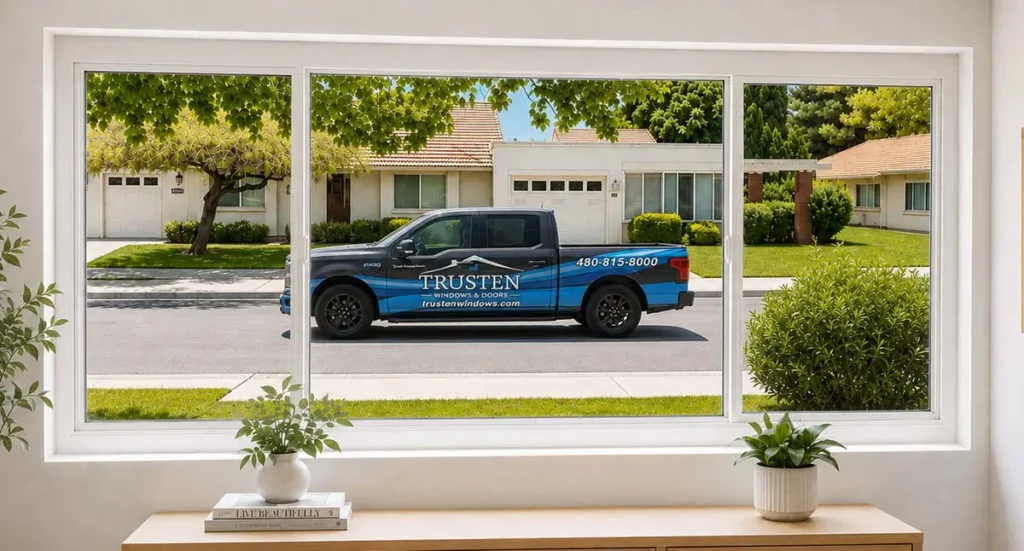
Windows may need to be replaced when they develop failed seals, allow drafts or excessive heat into the home, become difficult to operate, or show visible deterioration.
A single problem doesn’t always mean replacement is necessary, but several recurring issues together can indicate the window system is beginning to fail. Here are eight signs homeowners should watch for.
1. You Feel Drafts Around Your Windows
As windows age, gaps can develop between the frame, sash, and surrounding structure. Weatherstripping deteriorates. Frames can shift, especially in climates with significant temperature swings throughout the year.
If you notice warm outside air getting in around the window frame while the air conditioner is running, that is a sign worth investigating. Stand near the window on a hot afternoon and watch for any temperature change along the frame.
You can sometimes address drafts by resealing or replacing weatherstripping. When they appear across multiple windows in an aging home, however, they often signal broader failure throughout the window system.
2. Rooms Feel Noticeably Hotter Near Your Windows
This is one of the most common homeowner complaints, and it is well founded.
Older windows, particularly single-pane units and outdated double-pane products, allow significantly more solar heat to pass through the glass into the living space. In homes with west- or south-facing windows, this can make entire rooms uncomfortable during the afternoon, even with the air conditioner running at full capacity.
The performance rating to understand here is the solar heat gain coefficient, or SHGC. It measures how much solar radiation a window allows into your home. A lower SHGC means less heat enters. Low-emissivity glass, commonly called low-E, uses a thin coating to reduce heat transfer without blocking natural light.
If certain rooms feel noticeably warmer near the glass, your windows may no longer be controlling solar heat the way they should. That is a performance failure.
3. Your Energy Bills Are Increasing
Windows are one of several factors that influence a home’s energy consumption. HVAC efficiency, insulation, air sealing, and usage habits all play a role.
That said, windows with failed seals, deteriorated frames, or outdated glass can strain your cooling system. When your air conditioner is working harder to compensate for heat entering through the glass or escaping through gaps, you will see it in your monthly bills.
If you have ruled out other causes and notice a gradual increase in cooling costs, your windows may be a contributing factor. A professional evaluation can confirm whether window performance is part of the problem.
4. You See Condensation or Fog Between the Glass Panes
There is an important distinction to understand here. Condensation on the exterior surface of a window is normal, particularly on cooler mornings. Condensation trapped between two panes of glass is not.
Most modern windows use insulated glass units: two or three panes separated by a sealed space filled with air or an inert gas such as argon. When that seal fails, outside air enters the space between the panes and carries moisture. The result is a cloudy or foggy appearance that does not wipe away.
You can’t repair a failed insulated glass seal with cleaning or caulking. In some cases, you can replace the glass unit without replacing the entire window frame. In others, especially when the frame is aging or deteriorated, full window replacement is the more practical and cost-effective option.
5. Your Windows Are Difficult to Open, Close, or Lock
A window that sticks, will not stay open, does not close completely, or has a lock that no longer lines up properly can be more than an inconvenience. It may also affect your home’s security and make the window harder to use in an emergency.
Common causes include:
- Frames that have warped or swollen from moisture or long-term heat exposure
- Worn hardware or damaged tracks
- Failing balance systems that help double-hung windows open and stay in place
- Movement in the home’s foundation that has shifted the window opening
Some problems can be fixed with a simple adjustment or hardware repair. But if the frame itself is damaged, or several windows in the home have the same issue, replacement may be a more practical long-term solution.
6. The Frames or Seals Show Visible Deterioration
You do not always need a professional to spot early signs of window failure. A basic visual inspection can show a lot about your window system’s condition.
Look for:
- Cracks or splits in the frame material
- Gaps between the frame and the surrounding wall or trim
- Separation along seams or at corners
- Deteriorated or missing caulking around the interior or exterior perimeter
- Warping along the sill or jamb
- Damage to surrounding trim without an obvious cause
In Arizona, prolonged exposure to intense heat and UV radiation accelerates the aging of window components, particularly in vinyl and aluminum frames that are not rated for desert climate conditions. Materials that last for decades in mild climates can degrade much faster here.
7. Water or Moisture Keeps Appearing Around Your Windows
Recurring moisture around a window frame, stains on the drywall below the sill, or peeling paint can all signal a water intrusion problem. The key is finding out where the moisture is coming from.
The window itself may not always be the source. Water can enter through:
- A failed window seal
- Improper or damaged flashing
- Gaps in the surrounding siding or stucco
- Roof or soffit problems above the window
Replacing the window without finding the true source of the leak may not solve the problem. A professional inspection should identify where the water is getting in before recommending any repair or replacement.
A reputable contractor will focus on the root cause instead of assuming the window automatically needs replacement.
8. Your Older Windows No Longer Perform Well in Arizona's Climate
Age alone does not mean a window needs to be replaced. What matters is how well it still performs.
For Arizona homes, check whether older windows:
- Seal properly without drafts
- Open and close without sticking
- Help keep nearby rooms comfortable during summer heat
- Use Low-E glass suited for the Southern climate zone
Older windows may lack the Low-E coatings, insulated glass, and other efficiency features found in newer products designed for hot climates.
If your windows are older and show several of the warning signs above, the problem may be more than normal wear. They may simply no longer perform well in Arizona’s heat and sun.
When Should Windows Be Replaced or Repaired?
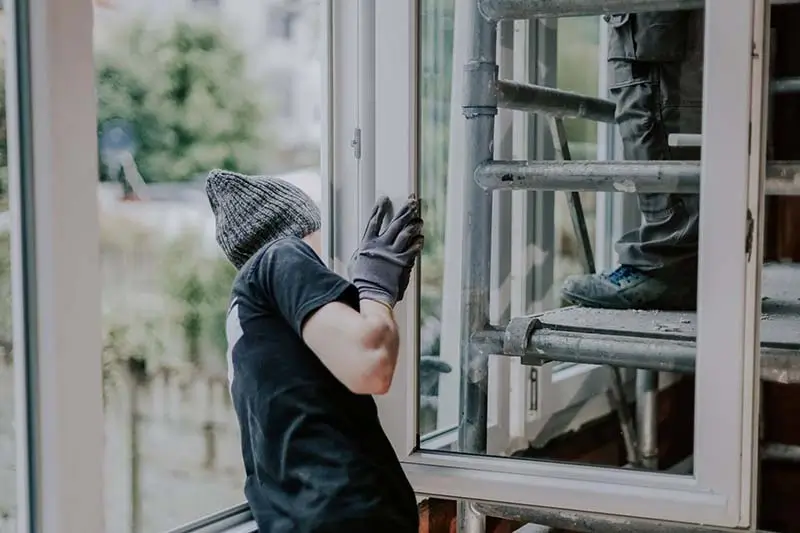
The answer depends on the specific problem, the window’s age, and the overall condition of the frame and surrounding installation.
Repair May Make More Sense When
- The problem is limited to one part, such as a lock, screen, or balance system
- One window has a failed seal, but the rest are in good condition
- The frame is still solid, and the issue is limited to hardware
Replacement May Make More Sense When
- Several windows have the same problems
- Frames are warped, damaged, or no longer fit the opening properly
- Seal failures keep happening
- Rooms remain hot or uncomfortable despite repairs or adjustments
A professional window evaluation can help determine whether repair or replacement makes more sense based on the window’s condition, not just its age.
Replacing Windows in Stages
Many homeowners choose to prioritize certain windows based on condition, sun exposure, and comfort impact instead of replacing every window at the same time.
West-facing and south-facing windows in homes often receive the most direct sun and may underperform sooner than windows on shaded sides of the house. Starting with the highest-priority windows can make sense when budget or timing is a factor.
A good contractor can help determine which windows should be replaced first based on their condition and performance.
Choosing Replacement Windows for Arizona Homes
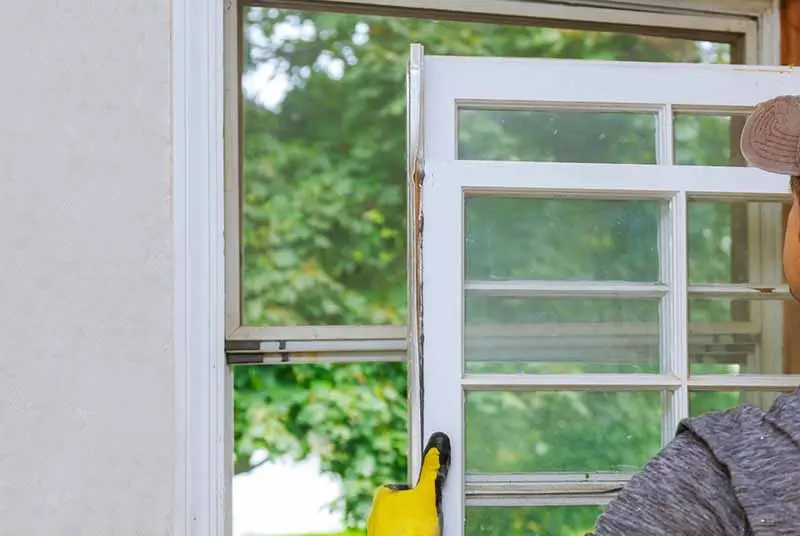
Choosing the right window for Arizona’s climate matters more than choosing the most popular or lowest-priced option. A window designed for a colder climate may not perform as well in Phoenix.
Key considerations for homeowners include:
- SHGC rating: A lower solar heat gain coefficient helps reduce the amount of heat entering through the glass.
- Low-E glass: Helps limit heat transfer while still allowing natural light into the home.
- Energy Star certification: Look for products rated for the Southern climate zone.
- Frame material: Vinyl, fiberglass, and composite frames respond differently to prolonged heat and UV exposure.
- Installation quality: Even a high-performing window can underperform if it is installed with gaps, poor flashing, or an improper perimeter seal.
For Arizona homes, window replacement is a performance decision. Both the product and the quality of the installation matter.
Knowing When Window Replacement Makes Sense
Windows do not need to be replaced just because they are old. Better signs include recurring drafts, heat gain, failed seals, moisture problems, difficult operation, and visible frame damage.
If several of these issues are happening at the same time, a professional evaluation can help determine whether repair is still practical or replacement makes more sense.
Frequently Asked Questions
How Do I Know If My Windows Need Replacing?
The most reliable indicators are several problems occurring together, not any single issue in isolation. Drafts, failed seals, difficulty operating, excessive heat transfer, and visible frame deterioration are the most common signs. A professional evaluation can confirm whether repair or replacement is the more practical path for your specific windows.
How Often Should Windows Be Replaced?
There is no universal timeline. Window lifespan depends on product quality, climate conditions, installation quality, and ongoing maintenance. In Arizona’s high-heat, high-UV environment, some window materials degrade faster than they would in milder climates, making condition and performance more useful indicators than age alone.
Is Condensation Between Window Panes a Sign of Failure?
Yes. Fogging or condensation trapped between two panes of glass indicates that the insulated glass seal has failed and moisture is now entering the space between the panes. Cleaning or temporary measures can’t fix this. You typically need to replace the glass unit.
Should I Replace Windows That Are Difficult to Open?
Operational problems can sometimes be resolved with hardware repairs or adjustments. If the issue is a warped or deteriorated frame, or if multiple windows throughout the home share the same problem, replacement is often the more practical long-term solution. A professional inspection can identify the root cause.
Can Old Windows Make My Home Hotter?
Yes. Older windows, particularly those without low-E coatings or with a high solar heat gain coefficient, allow more solar radiation to pass through the glass and into the home. In Arizona’s climate, this can significantly affect indoor comfort and increase cooling costs during the summer months.
Do I Need to Replace Every Window at the Same Time?
No. Prioritizing windows by condition, sun exposure, and comfort impact is a reasonable and practical approach. West-facing and south-facing windows experience the most heat stress and may warrant earlier attention than windows in shaded locations.
Talk With a Window & Door Expert
Trusten Windows & Doors helps homeowners throughout Arizona’s East Valley evaluate aging or underperforming windows.
The team brings more than 70 combined years of window and door experience to every consultation. Quotes are transparent and itemized, with product, labor, and materials clearly listed. We use no pressure tactics, sign-tonight incentives, or obligations to decide on the spot.
Concerned about the condition of your windows? Call or text Trusten Windows & Doors at 480-815-8000, or schedule a free consultation for clear recommendations for your home.